
What Increases Your Risk of Glaucoma? Key Factors to Know
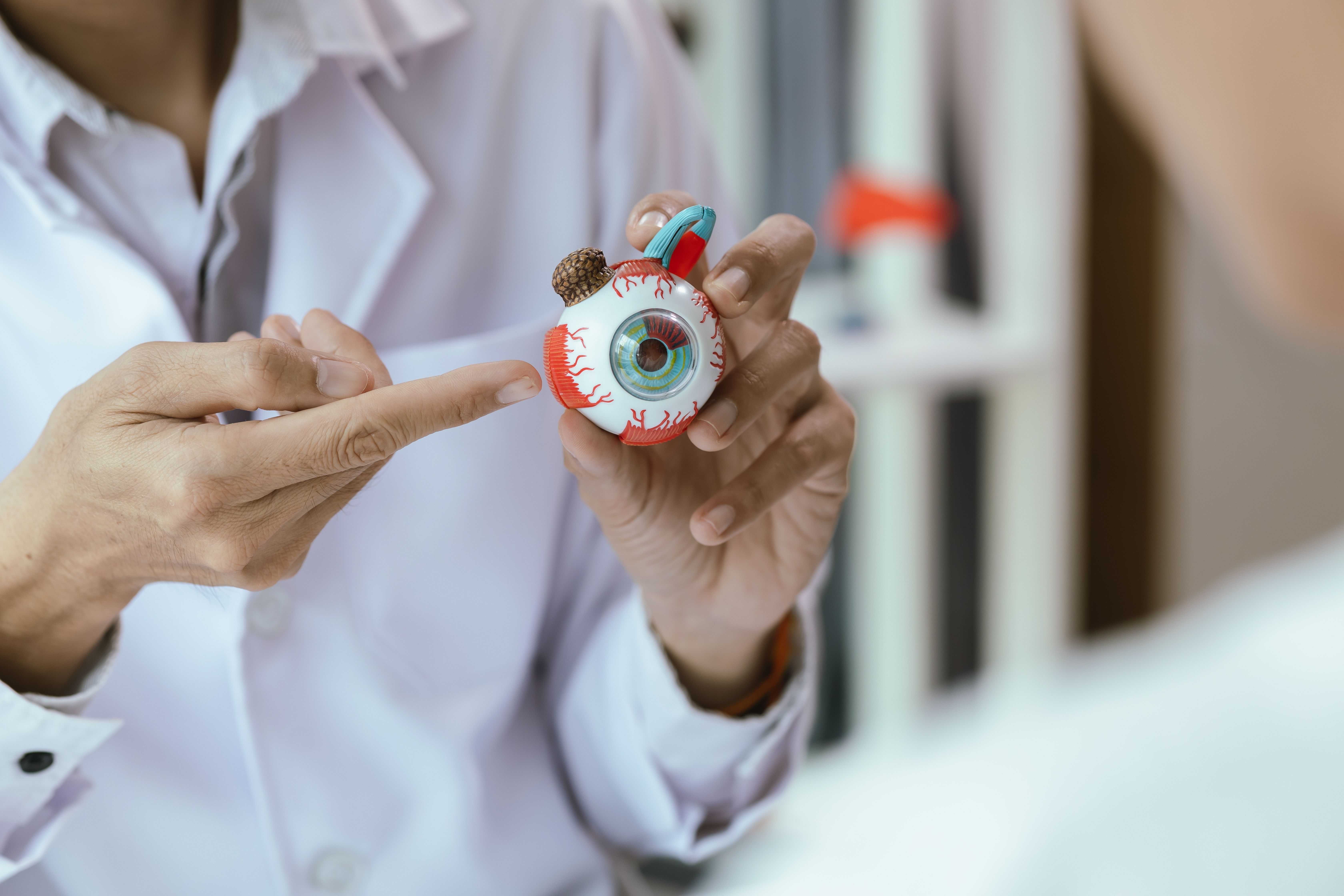
Glaucoma is often called the “silent thief of sight” because it can gradually damage your vision without noticeable symptoms in its early stages. By the time vision changes become obvious, permanent damage may have already occurred. At Synoptic Eye Care, we believe that education and routine medical eye exams are essential tools in preventing vision loss from glaucoma.
What Is Glaucoma?
Glaucoma is a group of eye conditions that damage the optic nerve, which connects the eye to the brain. This damage is often (but not always) caused by increased pressure inside the eye, known as intraocular pressure (IOP). Over time, untreated glaucoma can lead to irreversible vision loss and even blindness. Because early glaucoma rarely causes pain or sudden vision changes, routine medical eye exams are critical for early detection.
While anyone can develop glaucoma, certain factors significantly increase your risk.
1. Age
Your risk increases as you get older. Adults over 60 are at higher risk, and the likelihood continues to rise with age. This is why comprehensive eye exams become even more important as you enter midlife and beyond.
2. Family History
If a parent or sibling has glaucoma, your risk is substantially higher. Glaucoma often runs in families, particularly primary open-angle glaucoma. If you have a family history, your eye doctor may recommend more frequent monitoring.
3. Elevated Eye Pressure (Intraocular Pressure)
High intraocular pressure is one of the most significant risk factors. However, it’s important to note that some people with normal eye pressure can still develop glaucoma, while others with high pressure may not experience optic nerve damage. Regular testing is the only way to know where you stand.
4. Race and Ethnicity
Certain populations face higher risks:
- African Americans are at greater risk of developing glaucoma at a younger age and experiencing more severe vision loss.
- Hispanic and Latino individuals over age 60 have an increased risk.
- Asian populations may have a higher risk of certain types, such as angle-closure glaucoma.
Understanding your personal risk profile helps guide screening frequency and monitoring.
5. Medical Conditions
Several systemic health conditions can increase glaucoma risk, including:
- Diabetes
- High blood pressure
- Heart disease
- Migraines
- Poor circulation
If you have any of these conditions, routine medical eye exams are especially important, as your eyes can reflect changes in your overall health.
6. Long-Term Steroid Use
Extended use of corticosteroids - whether oral, inhaled, topical, or in eye drop form - can increase eye pressure and raise your risk of glaucoma. If you use steroid medications regularly, your eye pressure should be monitored carefully.
7. Previous Eye Injury or Surgery
Eye trauma can disrupt the eye’s drainage system, leading to increased pressure and potential glaucoma. Even an injury from years ago can contribute to risk, so be sure to inform your eye doctor of any past incidents.
8. Thin Corneas
Corneal thickness plays a role in glaucoma risk assessment. Individuals with thinner corneas may have a higher risk of optic nerve damage. This is typically measured during a comprehensive medical eye exam.
Why Routine Medical Eye Exams Matter
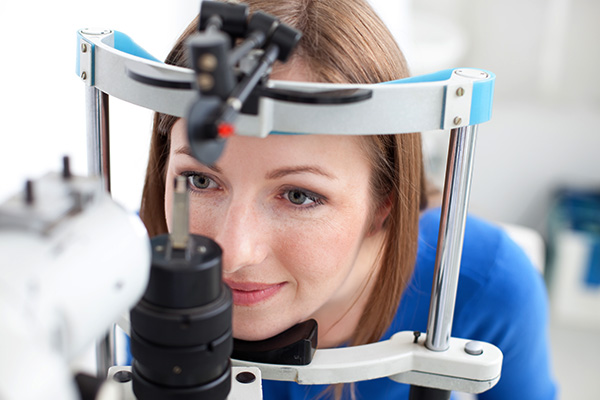
Because glaucoma often develops without symptoms, early detection is only possible through a thorough medical eye exam. These exams go beyond a simple vision screening. They include:
- Measuring intraocular pressure
- Examining the optic nerve
- Testing peripheral vision
- Assessing corneal thickness
- Evaluating the eye’s drainage angle when necessary
Early-stage glaucoma can often be managed effectively with prescription eye drops, laser treatment, or other therapies to slow or prevent vision loss. The sooner it’s detected, the better the long-term outcome.
Take a Proactive Approach to Your Eye Health
Glaucoma cannot be prevented in every case, but early diagnosis and proper management can dramatically reduce the risk of significant vision loss. Understanding your risk factors and committing to routine medical eye exams are the most powerful steps you can take to protect your sight.
If you have risk factors for glaucoma, schedule your annual eye exam with Synoptic Eye Care to safeguard your sight for years to come. Visit our office in Fort Lauderdale, Florida, or call (954) 999-5592 to book an appointment today.
All Eye
Care Services

Keep
In Touch

Our Services
Contact Info
Hours of Operation
- Monday 9:00AM - 4:00PM
- Tuesday 9:00AM - 4:00PM
- Wednesday 9:00AM - 4:00PM
- Thursday 9:00AM - 4:00PM
- Friday 9:00AM - 4:00PM
- Saturday CLOSED
- Sunday CLOSED
© 2025 Synoptic Eye Care. All rights Reserved. Accessibility Statement - Privacy Policy - Sitemap
Powered by:
